
Jobs to Do in the Woodland Garden This Autumn
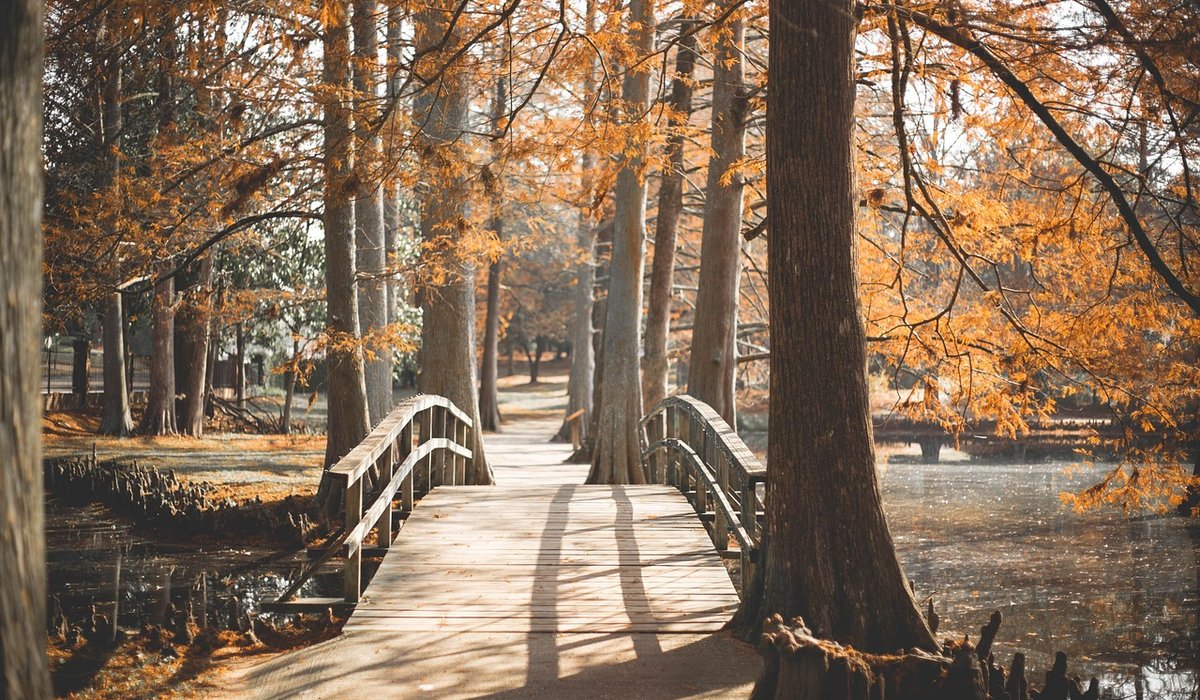
Making the Most of Leaf Fall
Autumn in a woodland garden is a working season. The canopy above you is stripping itself back, the soil beneath is still warm from summer, and the window between leaf fall and hard frost is short. Get the jobs below done before the first proper cold snap and your trees, bulbs and woodland floor will thank you come spring.
The first job is the one most gardeners either neglect or overdo: dealing with fallen leaves. A carpet of oak, beech and hazel leaves is not litter — it is next year's soil. But a thick, sodden mat left over crowns of perennials or across a lawn will smother what lies beneath. Aim for balance rather than tidiness.
Clear the Leaves — Selectively
Rake leaves off lawns, paths, gravel and low-growing plants, where they block light and trap damp. Leave them under mature trees, around shrub bases and along hedgerow edges, where they will break down into the leaf mould that woodland plants evolved alongside.
- Lawns and grass paths: rake weekly while leaves are dry — a plastic fan rake is quicker than a spring-tined one on turf.
- Ponds and water features: clear leaves promptly. Rotting leaves deoxygenate water and harm frogs and newts.
- Alpine and rock plants: keep them bare; damp leaf cover rots their crowns over winter.
- Under trees and shrubs: leave a 5–8cm layer to feed worms and fungi naturally.
Store surplus leaves in a wire bin or old compost bag pierced with holes. Oak and beech take two years to break down; sycamore and lime are quicker. Either way, the crumbly dark leaf mould you get is worth more than anything you can buy.
Plant Spring Bulbs in the Leafy Gaps
October and November are ideal for planting bulbs, while the soil is still workable. In a woodland garden, aim for a naturalised look rather than regimented rows. Snowdrops, wood anemones, cyclamen, native daffodils and bluebells (the native Hyacinthoides non-scripta, not Spanish bluebells) all suit this style perfectly.
- Bluebells and snowdrops: plant in dappled shade beneath deciduous trees, 8–10cm deep, in loose drifts of 20 or more bulbs.
- Wood anemones: soak dried corms overnight, then plant 5cm deep and 10cm apart.
- Native daffodils: choose Narcissus pseudonarcissus for a truly wild look; plant 10–15cm deep.
- Cyclamen: set corms just below the surface, smooth side down, in humus-rich soil.
Tulips prefer sunnier spots, so keep them to glade edges. When planting, add a handful of leaf mould or garden compost to each hole and a sprinkle of bonemeal. If squirrels are a nuisance, lay chicken wire over the bed and remove it once shoots appear.
Mulch Young Trees Before the Cold Arrives
Autumn is the best time to mulch trees planted in the last three years. A good mulch suppresses weeds, holds moisture, moderates soil temperature and slowly feeds the roots. Do it after leaf fall and before the ground freezes.
- Clear grass and weeds in a 60–90cm circle around the trunk.
- Spread well-rotted bark, compost or leaf mould to a depth of 5–8cm.
- Keep mulch clear of the trunk by a hand's width — a mulch "volcano" against bark causes rot.
- Water newly planted trees thoroughly if the autumn is dry, then mulch over the damp soil.
Bare-root native trees — field maple, hornbeam, wild cherry, rowan, oak and crab apple — can be planted from November onwards while they are dormant. Choose a still, mild day, tease out the roots, and stake only if the site is exposed.
Prune Lightly, Protect Sensitive Bark
Autumn is not the season for heavy pruning; wounds heal slowly and fungal spores are about. Restrict yourself to removing dead, damaged or crossing branches from deciduous trees. Leave major formative work until late winter. Avoid pruning cherries, plums and other stone fruits now — wait until midsummer to reduce the risk of silver leaf.
Guard young trees against deer, rabbits and squirrels with spiral guards or mesh sleeves. Wrap the trunks of newly planted fruit and ornamental trees with tree guards to prevent frost damage and sunscald. Check ties and stakes from last year — loosen anything that is biting into bark.
Leave Room for Wildlife
A woodland garden works best when it is a little untidy at the edges. Resist the urge to clear everything.
- Leave a few log piles and leaf drifts for hedgehogs, beetles and overwintering butterflies.
- Don't cut back seedheads on teasels, knapweed and hogweed — goldfinches will feed on them well into winter.
- Keep ivy on old trees and walls; its late flowers and berries are vital for insects and birds.
- Delay cutting back herbaceous perennials until late February, once the worst of the frost has passed.
Do these jobs now, while the soil still holds a little warmth, and your woodland garden will settle into winter quietly — ready to burst into life the moment the snowdrops show.


Let a patch of lawn grow long, add native wildflowers and avoid pesticides to welcome pollinating insects into your outdoor space.
From sturdy spades to pruning saws, discover the practical kit that makes tree planting and aftercare easier for amateur gardeners.
Learn to recognise oak, ash, beech and field maple using leaf shape, arrangement and autumn colour on woodland walks.
Understand when moss and lichen are harmless signs of clean air, and when they might indicate poor tree health.