
Propagating Native Trees from Seed and Cuttings
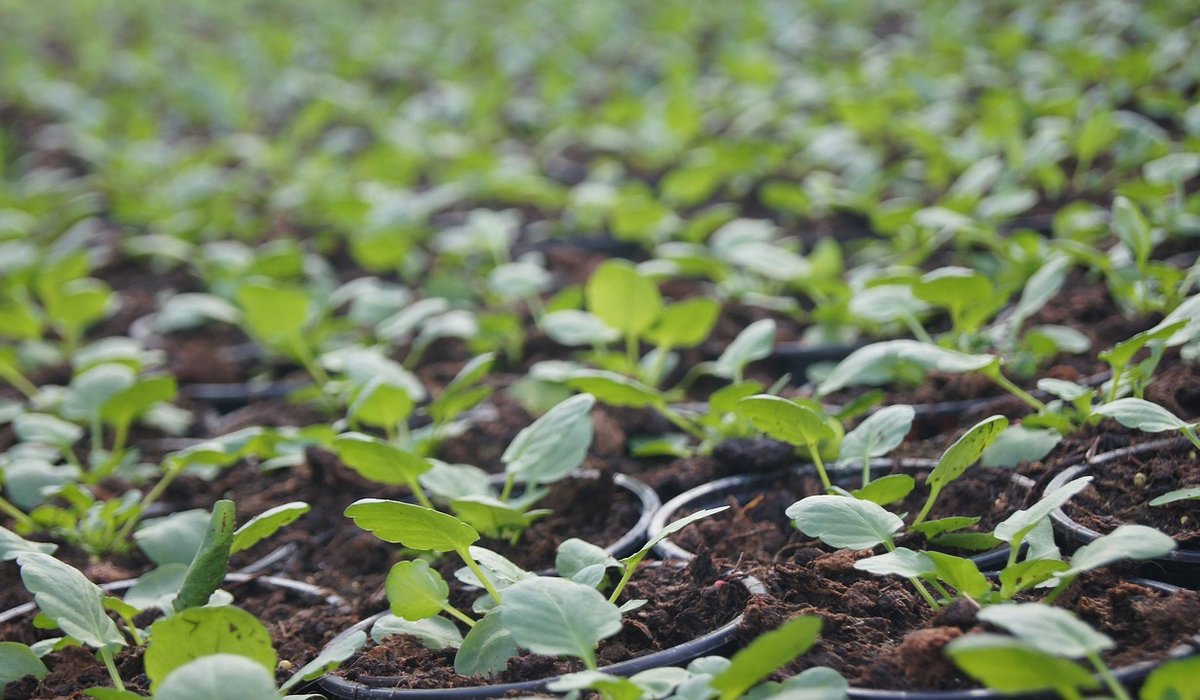
Why Grow Native Trees from Seed?
There is a particular pleasure in a sapling you raised yourself from a single acorn, and British woodland species are among the most rewarding trees to propagate at home. Oak, hazel, hawthorn, blackthorn, field maple, rowan, alder and willow all grow well here, and seed gathered from trees near you is already adapted to your local soil and climate. It costs almost nothing, it fills a gap in the hedge or the corner of a paddock, and it teaches you the rhythms of the woodland year better than any book.
A little realism helps. Not every seed will germinate, squirrels and mice will take their share, and some species are far easier than others. Start with willow, hazel and oak, and treat the difficult ones as a longer project.
Gathering Acorns, Hazelnuts and Other Native Seed
Collect from the ground rather than the tree, and collect early in the season before wildlife gets there first. Acorns ripen from late September into October; gather them within a few days of falling and discard any with a neat round hole, which means a weevil grub inside. The float test is quick and reliable: drop the acorns into a bucket of water and keep the ones that sink. Floaters are usually hollow or shrivelled.
Hazelnuts are ready from late August into September, when the husks turn from green to brown but before the nuts drop. Choose heavy nuts with no rattle and no tiny puncture hole. Other useful natives to look out for include:
- Ash keys — collect green in late summer and sow straight away, as they lose viability quickly once dry.
- Hawthorn and blackthorn — gather haws and sloes in October and November, then rub the flesh off in water.
- Field maple and sycamore — take the winged seeds once they turn brown and papery.
- Rowan and crab apple — pick the berries when fully coloured, then mash and rinse away the pulp.
- Willow and alder — seed is short-lived, so sow it fresh on damp compost within days of collecting.
Label everything as you go. A pencil on a plastic tag lasts for years; ink fades within a season.
Stratification: Giving Seed the Winter It Expects
Most native tree seed will not germinate until it has been through a spell of cold and damp. This is called stratification, and in the wild it is simply winter. You can mimic it easily.
Mix the seed with a damp — never soaking — medium of sand, vermiculite or peat-free compost, roughly three parts medium to one part seed. Seal it in a labelled polythene bag or sow it into a pot plunged into a shaded corner of the garden, and keep it at about 1–5°C. A fridge works well for small quantities, provided you check it every few weeks for mould and for signs of early germination. If a root appears, pot the seed up immediately and move it somewhere cool and light.
Hazel, hawthorn, field maple and rowan generally need twelve to sixteen weeks of cold. Acorns are the exception: they are recalcitrant, meaning they cannot be dried and stored. Sow them fresh in autumn, 2–3cm deep, in deep pots outdoors, and cover them with mesh to keep the mice out.
Hardwood Cuttings for Willows, Dogwoods and More
Some natives are far easier from cuttings than from seed. Willows and poplars root almost as readily as a stick pushed into wet ground, and alder, dogwood and spindle follow close behind. Take hardwood cuttings between November and February, while the tree is fully dormant.
- Select healthy shoots of the current season's growth, about pencil thickness.
- Cut lengths of 20–30cm, with the bottom cut just below a bud and the top cut just above one, sloping away from it so you can tell which way is up.
- Trim off the soft tip and any side shoots.
- Insert two-thirds of the cutting into a pot of gritty compost or a slit trench in a sheltered border.
- Water in, label, and leave undisturbed until the following autumn.
Oak, beech and hazel are stubborn from cuttings and best grown from seed. Keep your cuttings out of full winter sun and check that they never dry out completely.
Potting On and Growing On
Autumn-sown seed usually shows itself the following spring. Wait until each seedling has two or three sets of true leaves before lifting it, and always handle it by a leaf rather than the stem. Trees put down a deep root quickly, so pot into long, narrow pots — long toms are ideal — filled with a soil-based potting compost or a peat-free multipurpose mix with about a fifth grit for drainage.
Water the seedlings in and keep them in a sheltered spot out of strong sun for a fortnight. Grow them on through the summer, feeding lightly from midsummer, and pot on again as the roots fill the container. A sapling kept in a pot for one or two years will establish far better than one moved straight from a seed tray into the open ground.
Planting Out and Patience
Plant your saplings between November and March, whenever the ground is neither frozen nor waterlogged. Prepare a generous planting hole, firm the tree in at the same depth it grew in the pot, and water it well. A spiral guard will see off rabbits and deer, and a mulch ring of bark or compost keeps the grass back and holds moisture through the first two summers.
Then comes the slow part. A hazel may fruit within a decade; an oak will take far longer and will very likely outlive whoever planted it. That is rather the point. There are few better legacies to leave a British garden or smallholding than a stand of native trees you raised yourself from a handful of seed.


Stack deadwood in a quiet corner to shelter beetles, frogs and hedgehogs, creating a simple habitat that costs nothing.
Plant bare-root shrubs while soil is moist, then apply leaf mould or bark mulch to suppress weeds and retain moisture.
Combine ferns, hostas and epimediums with spring bulbs to build a calm, textured border that thrives without direct sun.
Reduce mowing, remove cuttings and introduce native wildflower plugs to create a changing meadow that supports insects and birds.