
The Real Difference Between Luck and Skill in iGaming
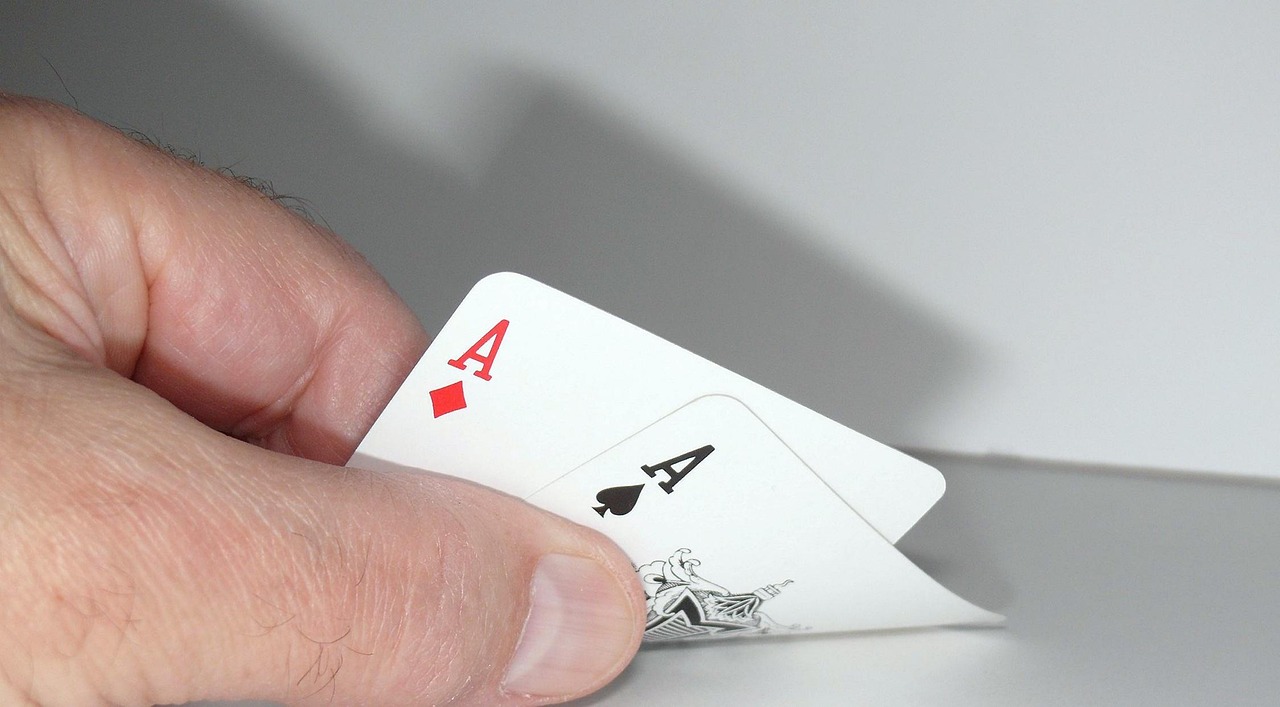
Ask ten gamblers what separates a winning session from a losing one and you'll get ten different answers. Some swear by hot streaks, others by cold logic, and a stubborn few will tell you the machine "knows" when they're about to quit. The truth is messier and far more interesting: every form of iGaming sits somewhere on a spectrum between pure chance and genuine skill, and knowing exactly where your chosen game falls can change how you play, how you budget, and how much you enjoy the whole thing.
The House Edge Is Not a Myth, But It's Not the Whole Story
Let's start with slots, the game most people think of when they hear "casino." Modern video slots are powered by random number generators that spin millions of outcomes per second. There is no memory, no pattern, and no way to predict the next spin from the last thousand. The house edge is baked into the math, typically between 2% and 10% depending on the game and the jurisdiction. A 96% RTP slot returns $96 for every $100 wagered over millions of spins. In a single session, variance is king.
That last point trips up more players than anything else. People treat RTP like a guaranteed refund. It isn't. A high-volatility slot might pay nothing for 300 spins and then hand you a 5,000x multiplier on the 301st. A low-volatility slot will drip small wins constantly but rarely produce a life-changing hit. Neither is "better" in a moral sense. They simply suit different temperaments and bankrolls.
- High volatility: fewer wins, bigger payouts, brutal dry spells
- Medium volatility: a middle ground most casual players prefer
- Low volatility: frequent small wins, ideal for stretching a small bankroll
Where Skill Actually Changes the Equation
Poker is the obvious example, and it's worth being precise about why. In Texas Hold'em, you're not playing against the house. You're playing against other humans, and the house takes a rake. That single structural difference means a skilled player can achieve a positive expected value over time. Not every session, not every night, but over thousands of hands the edge compounds.
What does that skill look like in practice? It's not bluffing like you see on TV. It's things like:
- Position awareness — acting last gives you information everyone else paid for
- Bankroll management — never sitting with more than 5% of your roll in a single buy-in
- Range thinking — estimating what hands an opponent could hold, not just what they're representing
- Emotional regulation — folding a strong hand when the math says you're beaten
Blackjack sits in a stranger spot. With perfect basic strategy, the house edge drops to roughly 0.5%, and card counting can theoretically flip it in your favor. But most casinos use continuous shuffling machines precisely to kill that possibility, and the mental arithmetic required is genuinely demanding. You're not going to count cards successfully while sipping cocktails and chatting with the dealer.
Betting Markets Reward Information, Not Hunches
Sports betting occupies its own weird middle ground. The bookmaker's margin — the vig — usually sits between 4% and 8% on a standard two-way market. To beat that consistently, you need a real informational or analytical edge: deep knowledge of a niche league, injury reports before the market adjusts, weather models, or advanced statistical modeling.
Casual bettors rarely have any of that. They bet on their favorite team, or the over, or the player they saw on a highlight reel. That's entertainment spending, not investing. The bettors who actually profit treat it like a second job, tracking line movement, comparing odds across multiple books, and passing on 95% of games because the value just isn't there. A detailed guide is available at hb88go.in.net.
A useful gut check before placing any bet: if you can't articulate why this line is wrong, you don't have an edge. "I have a feeling" is not an edge. "This book hasn't adjusted for the starting pitcher's recent velocity drop" is.
Bankroll Management Beats Game Selection... Usually
Here's the uncomfortable truth most iGaming content avoids: for the average player, no game choice will overcome poor bankroll discipline. You can pick a 99% RTP game and still bust out in twenty minutes if you're betting half your balance per spin.
A practical framework that experienced players use:
- Set a session bankroll you can lose without any real consequence
- Never reload mid-session after a loss — that's how casual limits turn into problems
- Bet no more than 1–2% of your bankroll per spin or per bet
- Set a win target and actually walk away when you hit it
- Log your sessions. You'll be shocked how differently you remember outcomes versus reality
That last tip is more powerful than it sounds. Psychologists call it the availability heuristic — vivid wins stick in memory while dull losses fade. A simple spreadsheet of deposits and withdrawals will tell you more about your actual tendencies than any gambling strategy guide ever could.
The Games Where Luck Runs Everything
Some games are pure coin flips dressed up in lights. Keno, roulette, craps without odds bets, and most scratch cards offer zero opportunity for strategic improvement. Your only real decision is how much to stake per round, which is really a bankroll question rather than a game question.
Crash-style games sit in a fascinating corner of this. Players choose when to cash out as a multiplier climbs, which feels like skill, but the underlying crash point is randomly generated. Whatever strategy you develop is really just choosing your risk profile, not improving your odds.
The Takeaway That Actually Matters
The smartest approach to iGaming isn't finding the "best" game or the "winning" system. It's being honest with yourself about what you're doing. If you're playing for entertainment, pick games whose volatility and pace you actually enjoy, set hard limits, and treat the money as gone the moment you deposit it. If you're trying to profit, focus on the few games where skill genuinely moves the needle — poker, sharp betting, and maybe blackjack if you're willing to put in serious study — and accept that the learning curve is steep and unforgiving.
What nobody tells you is that the two approaches don't mix well. Players who are half-trying to win and half-playing for fun tend to get the worst of both: they chase losses they should walk away from and skip the study that would make them competitive. Pick a lane. Know the math behind the games you choose. And remember that the house edge always gets its share eventually — the only question is whether you got enough entertainment in return.


Follow simple winter pruning cuts to remove dead wood, improve airflow and encourage a reliable crop of garden apples.
Mix hawthorn, blackthorn and hazel to create a dense nesting corridor that offers food and shelter throughout the seasons.
Clear fallen leaves, plant spring bulbs and mulch young trees before cold weather arrives to keep your woodland garden healthy.
Use multi-stem birch as a graceful focal point, underplant with ferns and grasses, and keep paving and edges simple.